


Bridge Solar reinvents solar panel reuse process
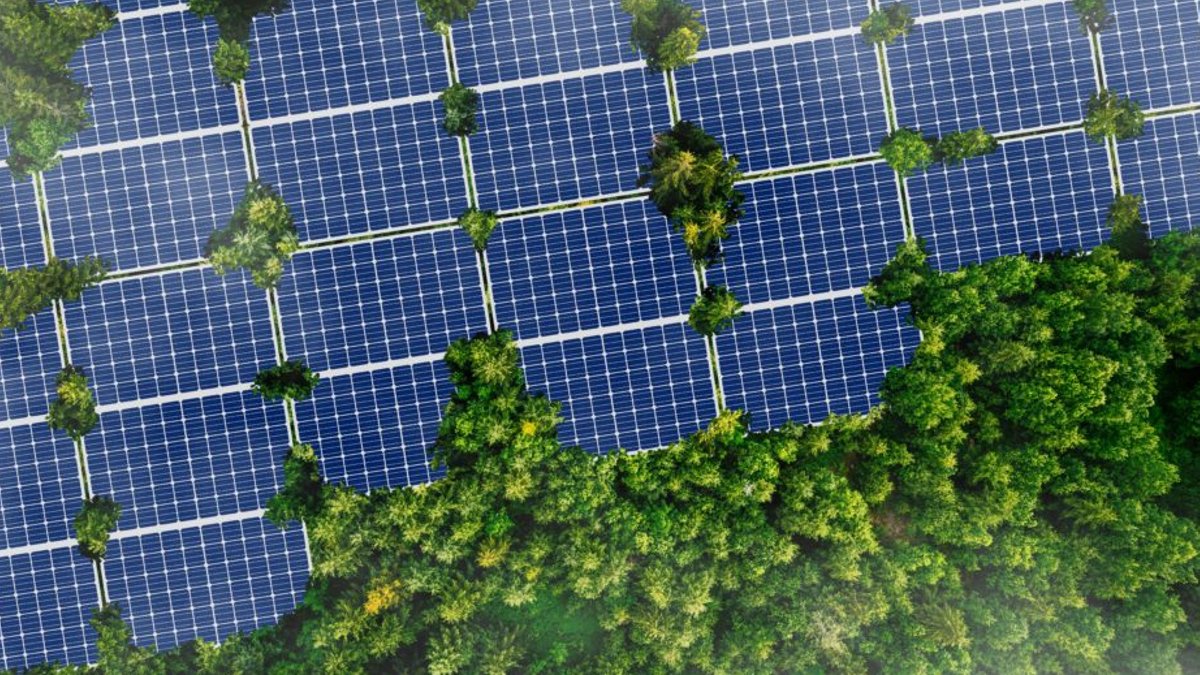
As the first large wave of solar installations reaches replacement age, millions of still-functional panels are entering the recycling stream. Since 2015, Ghanaian-US company Bridge Solar has been salvaging units while boosting affordable solar power across West Africa.
Now, founder Emmanuel Nyaletey is preparing the next step: automated cell-level inspection technology that could support his company’s expansion plans. Here, he shares his industry insights.
How Bridge Solar decides which panels are suitable for reuse
‘We source used solar panels and equipment through recycling facilities and commercial solar installers across the US. We only buy equipment that’s been tested, meets our standards and requires minimal repair before it can be reused. I personally visit each site to inspect and test the equipment using electrometers and other tools. I only approve equipment after confirming it meets our standards.
More than 98% of the panels we purchase go for reuse. This is because they have already been thoroughly tested before we buy them. Only occasionally do panels get damaged during transit. In that case, the most affected part is glass. However, even panels with cracked glass typically continue to generate power. We demonstrated this in collaboration with one of our partners in Vermont: we powered a trailer using only panels with broken glass.
Read Also: Germany’s Autoloop the missing link for textiles?
Since the units we acquire are typically around 10 years old, we expect to get at least 15 more years of use out of each one.’
The treatment process
‘It runs in two stages: one in the US and one in West Africa. When containers arrive at Tema port in Ghana, our local manager arranges customs clearance and transport to our warehouse outside Accra. Staff unload the equipment, sort it by wattage, log everything into our in-house CRM system and report any transit damage.
After intake, we repair any reported issues and prepare damaged equipment for either repair or recycling. Repairs are typically completed within a couple of weeks. Equipment that can’t be repaired is set aside until we have enough volume for manual dismantling.
We follow standard US recycling practices and dismantle everything by hand so we can recover valuable components. For example, we sometimes combine parts from three broken inverters to assemble one working unit. The remaining materials are sorted and sold to downstream recyclers and smelters.’
Read Also: GSMA aids operators in closing the loop
Current and future equipment
‘My staff currently uses electric screwdriver sets, soldering kits, electrometers and similar testing equipment. On average, they spend about five minutes testing each panel, although larger or more complex units can take between 10 and 15 minutes. Identifying dead cells remains the biggest challenge. Manual testing is time-consuming, which is why we’re seeking funding for automated equipment.’
‘We’re in discussions with BrightSpot Automation about purchasing its PanEL-Spot and TravEL-Spot systems. The equipment would let us conduct fully automated, cell-level inspections and testing. It would cut our inspection time to roughly 20% of what it takes today.
What I find most valuable is the cell-level insight. It doesn’t just tell us how much power a panel can generate, but how long individual cells are likely to perform at peak output. We’d like to purchase one system for our US operation and another for our team in Ghana.’
Software and expansion plans
‘We built our own software platform from the ground up to manage customers, personnel, inventory and equipment. Customers can pay their monthly bills, report issues, access support and monitor the performance of their systems through the portal.
Read Also: Reinsurers Face $50bn Data-Centre Risk Challenge
We’ve also developed a Google Maps-supported tracking platform that follows every piece of equipment from purchase in the USA through transportation and final installation. Anyone with an account can see where the equipment originated and where it is being used. This reflects our commitment to transparency and efficiency.’
‘We’re currently processing around four sea containers each year, with roughly 800 panels per container. The volume available to us continues to grow. The real constraint isn’t demand but funding to purchase the equipment.
This year, we’re targeting EUR 85,000 to acquire at least two BrightSpot systems and a batch of batteries. Next year, we’re aiming for approximately EUR 210,000 to open four new locations across Ghana and establish a larger facility in neighbouring Togo to support regional expansion.
Our goal is to double our customer base. We currently serve more than 300 paying customers, mainly small businesses, schools and churches. Looking further ahead, we want to become the leading PV reuse and recycling company in West Africa.’

Germany's Autoloop the missing link for textiles?


