


Shipping Rates Surge Amid Declining Cargo Volumes
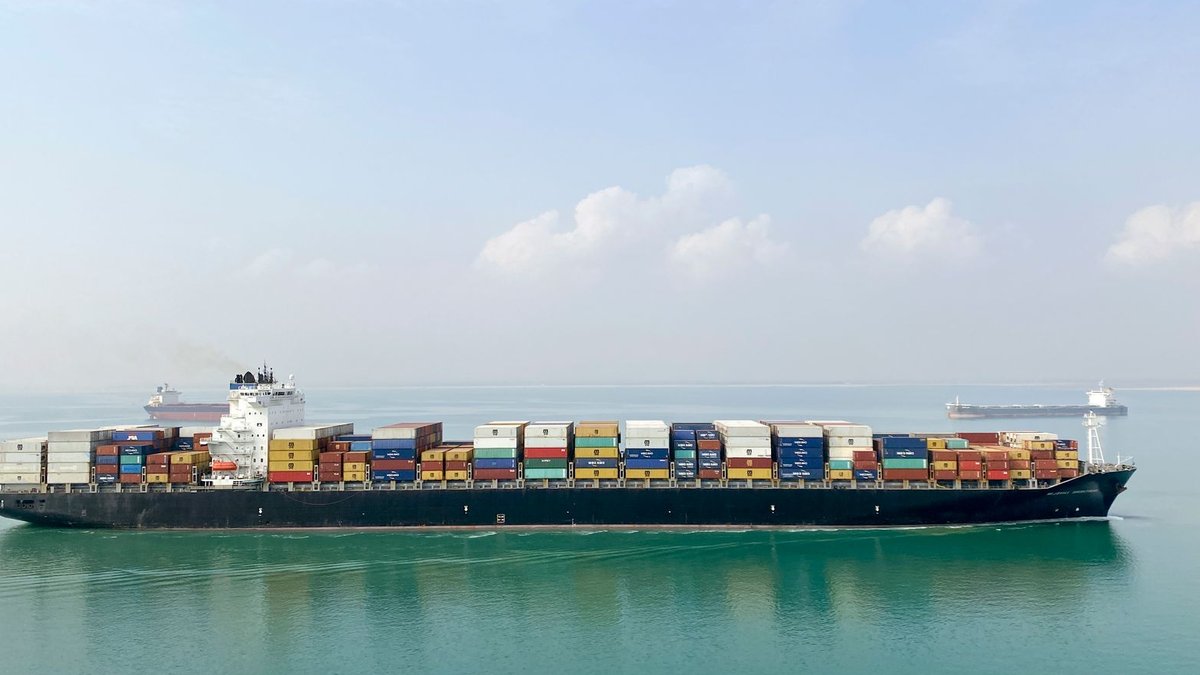
Adam Kent, Managing Director of Maritime Strategies International (MSI), addressed attendees at Marine Money Asia in Singapore, highlighting a striking paradox in global shipping markets: cargo volumes are declining while freight rates soar to multi-year highs.
A Paradox in Shipping Markets
Kent noted that nearly all shipping sectors have experienced growth over the past year, with VLCCs, Capesizes, ro-ros, and anchor handlers approaching or surpassing historical highs. Around half of all shipping sectors are operating at 80% or more of their historical peaks, creating what Kent described as “a very, very strong market across the majority of shipping currently”. A graph displayed during his presentation projected an expected negative cargo growth of around 1% for the year.
This strength persists despite projections of negative seaborne cargo growth this year—only the fourth such occurrence in four decades. Kent explained, “If you aggregate all the cargo together, we could actually be in a negative seaborne cargo growth environment this year. It’s only the fourth time, that’s happened in the last 40 years. So, we’ve got a bit of a paradox here: not that much cargo moving, but very, very high earnings.”
Geopolitical Disruptions Drive Rates
The primary driver behind raised freight rates is ongoing geopolitical instability, particularly conflict in the Middle East and reduced transits through the Strait of Hormuz. Additional chokepoints, including the Suez Canal and Red Sea due to Houthi attacks, have further strained supply chains. However, it is not the only chokepoint affecting the market, as more container ships are now moving through the Red Sea and Suez Canal after over two and a half years of diversions via the Cape of Good Hope. Meanwhile, the Panama Canal faces limitations from El Niño effects, reducing vessel draughts and transit capacity.
Related Post: EPL Market Growth Drivers
These disruptions increase tonne-miles and reduce available shipping capacity, pushing freight rates upward. The tanker market exemplifies this trend, with spot rates for VLCCs reaching $1.25 million per day for vessels transiting the Strait of Hormuz amid heightened security risks. Extremely high levels have been recorded across all trades for large tankers.
Market Near Peak, Says Industry Executives
During a panel discussion at the same conference, moderator Henry Curra, Global Head of Research at Braemar, questioned whether rates could rise further. Benjamin Chan, Head of Commercial Assurance at AET Tankers, responded, “I don’t want to speculate and put a figure on it, but we are in uncharted territory that’s for sure. I don’t think the market will go rising forever, at some point the trade the trade will reach the maximum willingness to pay for freight. But I think its really quite close to the top.”
Andreas Michalopoulos, CEO of Performance Shipping, replied, “Nobody can predict if we have hit the highest point, but we’re certainly closer to the highest point than the lowest point.”
Broad Shifts Influence Trade Patterns
Marcus Hand is the editor of Seatrade Maritime News and a dedicated maritime journalist with over two decades of experience covering the shipping industry in Asia. He is also an experienced industry commentator and has chaired many conferences and round tables. Below you’ll find a list of selected appearances including KBS World Radio – Korea24, BBC News – Hindi Service, and RNZ – First Up.


