


IMF and World Bank Discuss Global Economic Risks
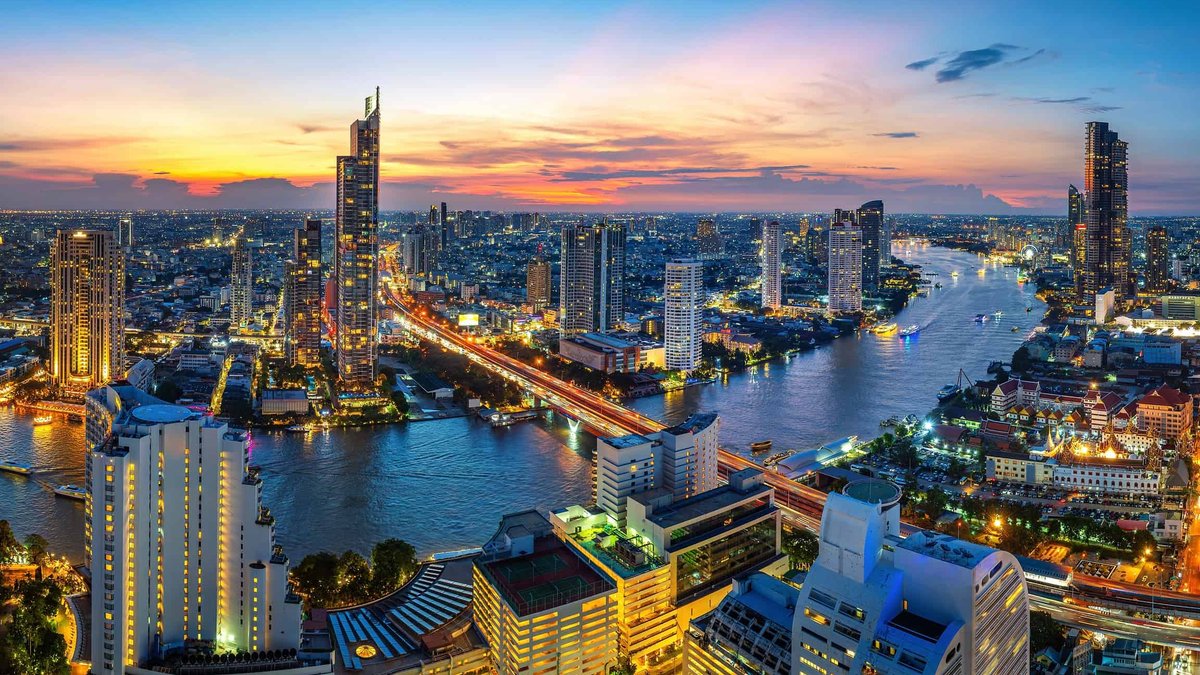
Officials from the International Monetary Fund and World Bank met in Bangkok this week to discuss global economic resilience, even as severe flooding in Thailand highlighted the physical risks of climate change. The city’s streets appear largely restored, but the disaster prompted officials to question how much more disruption the world economy can withstand.
Growth Projections and Divergent Trends
IMF Chief Economist Silvana Tenreyro described the global economy as being pulled in opposing directions during a Tuesday briefing. Investment in artificial intelligence has driven growth, while conflict in the Middle East has pushed energy prices higher. The IMF projects global growth at 3.1 percent for this year.
The overall growth number hides large gaps among countries. Nations that sell energy or spearhead artificial-intelligence development enjoy an advantage over those reliant on imported fuel or with minimal involvement in the tech expansion. Tenreyro warned that while the system has held up, its durability is nearing a breaking point.
Growth is holding up because countries and companies have adjusted by rerouting supplies, drawing down inventories, and improving efficiency. Without those adjustments, the IMF estimates global growth would be closer to 2.5 percent. However, these measures have inherent limits, and another shock—whether geopolitical or climate-related—could arrive before economies have fully recovered.
Climate Risks and Debt Pressures
Representing emerging and developing markets, the Intergovernmental Group of Twenty-Four on International Monetary Affairs and Development (G-24) shifted the discussion to a more immediate context. Taiwo Oyedele, Nigeria’s finance minister and chair of the G-24, pointed to Thailand’s recent floods as evidence that climate pledges must be supported with money rather than mere words.
“Our appeal to world leaders is to put their money where their mouth is,” Oyedele said.
For businesses, resilience carries a price. Holding extra inventory, diversifying suppliers, and keeping cash on hand are costs that seem unnecessary during stable times but are essential for keeping production moving during disruptions. Developing economies face a similar trade-off but lack the financial resources to match that resilience.
They need capital to build infrastructure, prepare for climate shocks, and deliver basic services, even as debt service eats a large slice of public spending. Oyedele pointed to figures indicating that developing nations incur about $500 billion extra in debt charges compared with wealthy countries. Consequently, the states that must fund resilience often confront the steepest financing rates.
Iyabo Masha, who leads the G-24 Secretariat, summed up the problem: “Debt is something that restrains growth.” She explained that heavy payments to lenders leave governments with limited resources for domestic investment.
Uneven Benefits of AI
A further unknown in the IMF forecast is that while spending on artificial intelligence could lift output, those gains might not create proportional employment. Oyedele cautioned that nations with youthful demographics might experience rising output together with higher joblessness unless policies are thoughtfully crafted. He added that growth “has to be job rich; it has to be inclusive.”


