


Uber cuts 3,300 jobs to fund autonomous vehicle shift
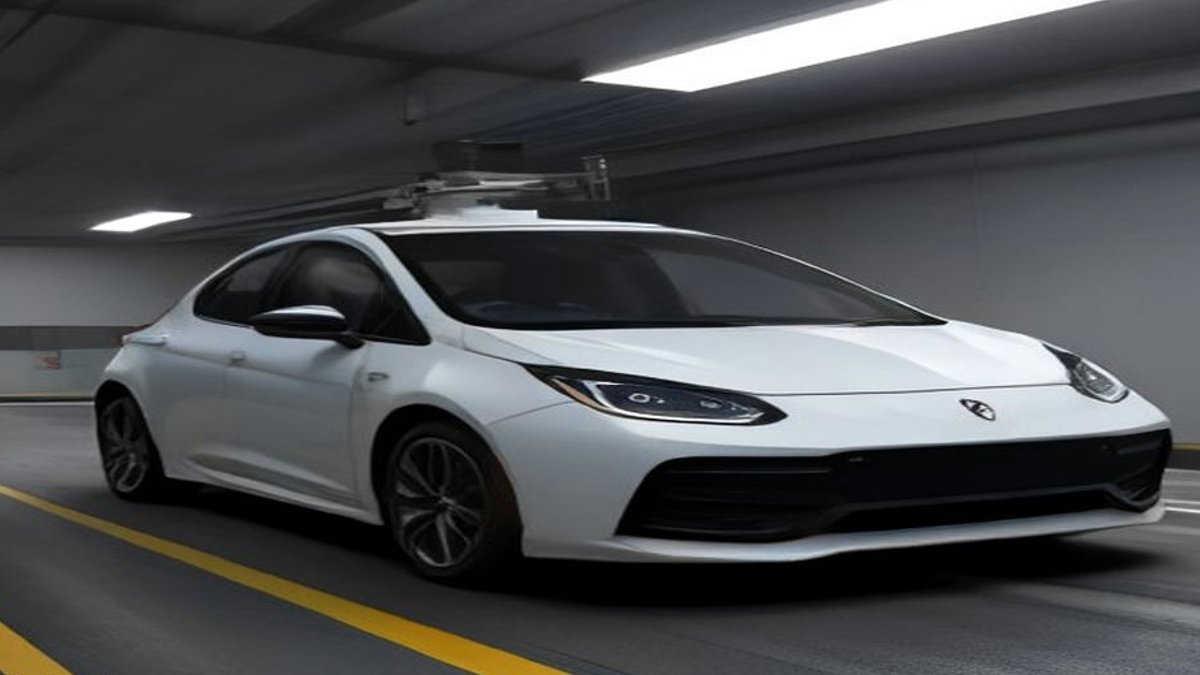
Uber Technologies is cutting roughly 3,300 corporate jobs, or about 10% of its global workforce, through three rounds of layoffs. While the company frames the reductions as a way to become “simpler and faster,” the timing coincides with a major shift in spending toward automation and autonomous vehicles.
Cost-Cutting or Capital Reallocation?
Unlike typical layoffs driven by financial struggle, Uber remains highly profitable and fast-growing. CEO Dara Khosrowshahi has not directly tied the cuts to artificial intelligence, but industry data suggests a broader pattern. Outplacement firm Challenger, Gray & Christmas reported that AI was cited as a reason for over 100,000 U.S. layoffs in the first half of the year alone.
This surge in AI-related job cuts signals a shift in how companies are reallocating resources. Instead of treating AI as a supplementary tool, Uber appears to be using workforce reductions as a mechanism to fund its transition toward an autonomous future.
Redefining Corporate Structure
Danielle LaFleur, an enterprise automation strategist, sees Uber’s layoffs as a leading indicator rather than an isolated event. “A profitable company does not cut a tenth of its workforce during a growth period to save money,” she said. “It does so to reallocate resources: shifting investment from a labor model built on human drivers to one built on autonomous infrastructure.”
LaFleur notes that most corporate AI adoption has been additive so far, with firms layering new tools on top of existing structures. Uber represents the next phase, where AI begins to alter the firm’s structure itself. Operations-heavy industries may soon follow as autonomous systems mature.
The Human Side of Automation
The impact of these changes extends beyond headcount. Independent coach Nataliia Rastehaieva emphasizes that AI doesn’t only remove jobs—it reshapes roles and expectations rapidly. “That creates uncertainty for the people who leave, but also for those who stay,” she said. “They need to understand what is changing and what their place in the company will be.”
Related Post: Recycling Tech Advances Globally, Driven by AI and Automation
Rastehaieva cautions against viewing Uber as a universal blueprint. “I would not treat Uber as proof of what AI will do to every company. But it may be an early example of how technology and management decisions together are reshaping work.”
Targeting Management Layers
Serhii Nikolaichuk, a former Uber driver and founder of The Capital Index, points out that the cuts target corporate functions, not drivers. “Uber’s cut of about 3,300 jobs, roughly 10% of its workforce, isn’t aimed at drivers,” he said. “It’s aimed at management: about a fifth of its managers, teams of one or two, and reporting chains more than seven levels deep.”
Nikolaichuk explains that much of corporate coordination involves routine tasks—collecting status updates, compressing information into reports, and passing decisions down. These functions can now be automated using language models and workflow agents, reducing the need for multiple management tiers.
Despite not blaming AI in official memos, the financial narrative is clear: Uber has committed over $10 billion to autonomous vehicles. The company already operates robotaxis in four U.S. cities, including Austin, Texas, and collaborates with about 20 autonomous-vehicle partners. Notably, some drivers are even paid to complete data tasks for Uber’s AI unit, which serves self-driving companies, meaning the workforce is indirectly training its potential replacements.
Implications for Corporate America
Kyle Elliott, founder of Tech Career Coach, predicts a leaner organizational model across industries. “Fewer managers and fewer layers between frontline employees and senior leaders,” he said. “Companies will look for leaders who can manage larger teams without relying on several levels of management beneath them.”


