


USCG to Cut STCW Training Requirements for Seafarers
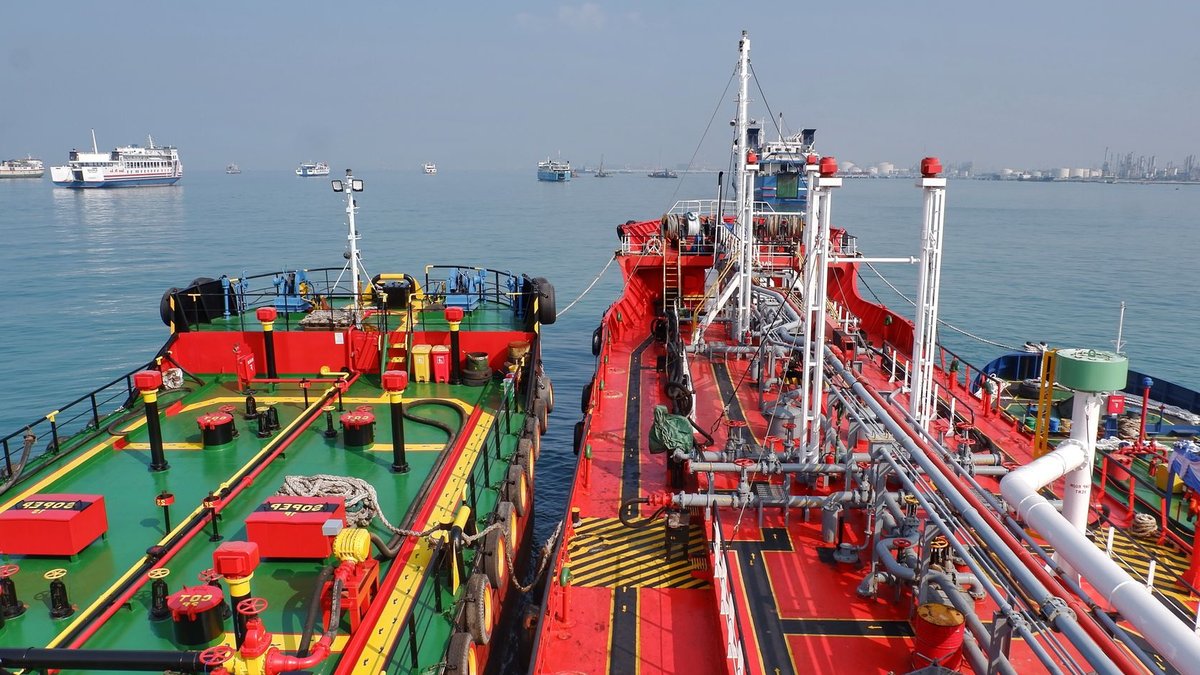
The U.S. Coast Guard has proposed eliminating six maritime training course requirements it says exceed international standards and impose unnecessary costs on American seafarers. The move targets specific Standards of Training, Certification and Watchkeeping (STCW) endorsements, which the agency determined provide no measurable safety benefit for vessel operations.
Proposed Changes to Training Requirements
The Notice of Proposed Rulemaking (NPRM) outlines the elimination of six training courses related to STCW endorsements. These include Leadership and Managerial Skills (LMS), which would be removed for Masters on vessels under 500 gross tons operating near-coastal waters. Leadership and Teamworking Skills (LTW) would also be eliminated as a demonstration requirement for Officers in Charge of a Navigational Watch (OICNW) on similar vessels. Bridge Resource Management (BRM) training would no longer be required for OICNW candidates on these ships.
Three engineering-related courses would be removed as well. Computer Systems and Maintenance (CSM) and High Voltage Power Systems (HVPS) training would no longer apply to Electro-technical Ratings (ETRs) on vessels with main propulsion machinery of 750 kW or more. Engineering Terminology and Shipboard Operations (ETSO) would be eliminated for Officers in Charge of an Engineering Watch (OICEW) and Designated Duty Engineers (DDE) on vessels with comparable propulsion power.
Rulemaking History and Expansion
The initiative began during the first Trump administration in 2018 under directives to reduce regulatory burdens, but never advanced to a formal proposed rule. The Biden administration paused the effort while focusing on supply chain resilience, environmental compliance, and shipboard safety. The second Trump administration has now moved the proposal forward, expanding it from three to six requirements with estimated annual savings increasing from $2 million to $6.1 million.
Read Also: Pirates kill five crew members at sea
The USCG included these requirements in a 2013 rule to ensure safe vessel operations, though they are not mandated by domestic statute. After further review, the agency concluded the six requirements are unnecessary for safe operation of applicable vessels. The proposed changes apply specifically to near-coastal waters operations for smaller vessels.
Estimated Benefits and Impact
The USCG estimates approximately 825 mariners would benefit annually if the rule is finalized. The agency calculates avoided costs include tuition, travel expenses, and time spent in training. Over a 10-year period discounted for time value of money, total savings are projected at $42.8 million. These savings result from eliminating requirements for LMS, BRM, ETSO, CSM, and HVPS training, as well as meeting LTW competence standards.
The cost avoidance represents direct expenses mariners would no longer face rather than new benefits. The proposal specifically targets smaller vessel operations, affecting mariners who qualify as Masters, OICNW, OICEW, DDE, and ETRs on vessels under 500 gross tons or with 750 kW propulsion power.
The agency’s analysis indicates these training requirements exceed baseline international standards established by the International Maritime Organization without contributing to safety outcomes. The NPRM was scheduled for publication in the Federal Register on Thursday, opening the floor for public comment before final rulemaking.

Pirates kill five crew members at sea


