


EU steel mills benefit as import quotas curb competition
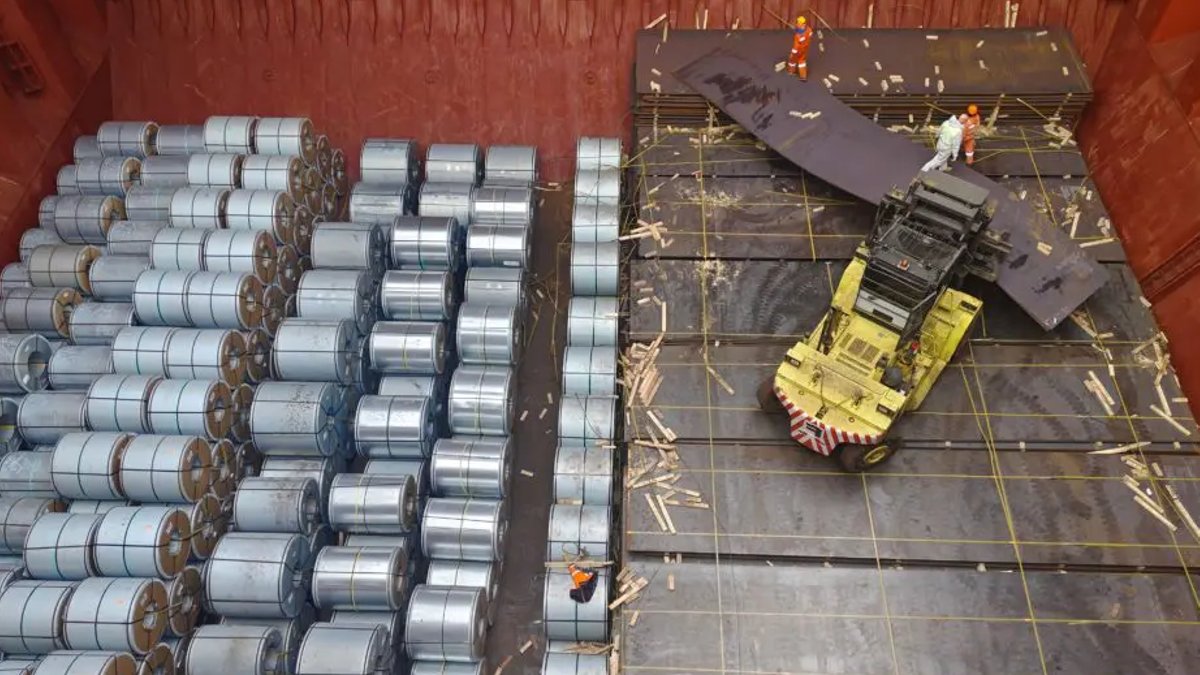
The European Union’s new trade measures on nickel and stainless steel are already reshaping the market, cutting imports and lifting domestic production. Data from the first half of 2026 shows the shift is still in its early stages, but mills inside the bloc are seeing higher utilization rates as foreign shipments slow.
EU production drops while Asia surges
Global stainless steel output rose 5% in the first half of 2026, reaching 33.0 million tonnes, according to the World Stainless Association. Asia led the growth with 28.3 million tonnes—a 6.1% increase—while the EU’s production fell 3.7% to 2.9 million tonnes. The US saw a modest rise of 2.3%, producing 1.1 million tonnes. China alone accounted for 63.9% of worldwide output.
In Europe, the decline in local production contrasts with the broader trend. The slower summer season typically reduces activity, but this year’s drop is linked to tighter import quotas. These measures appear to be working as intended: fewer foreign shipments mean less competition for EU mills, which are now running at higher capacity.
Domestic mills see early wins
Outokumpu’s second-quarter deliveries rose 5% to 488,000 tonnes, up from 465,000 tonnes in Q1. The company credited regional policy measures for supporting demand, though end-use growth remained uneven across industries. In the US, stronger industrial activity helped offset some of the slower European trends.
Outokumpu also announced plans to invest in high-nickel alloys at its Avesta site in Sweden, citing strong global growth potential in that segment. Meanwhile, Aperam reported a 1.8% drop in shipments to 606,000 tonnes in Q2, but earnings before interest, taxes, depreciation, and amortization (EBITDA) nearly doubled to €159 million, the best quarter in four years. The company noted that rising raw material costs in the first half didn’t dampen profitability, thanks to the trade measures’ impact.
Analysts confirm the quotas are having an effect. Aperam’s market update stated that lower import volumes had already boosted EU mill capacity utilization. Joost van Kleef, chairman of the BIR Stainless Steel & Special Alloys Committee, put it bluntly: import penetration had been cut in half. However, he warned that some of the increased orders might reflect restocking rather than sustained demand.
Nickel prices adjust to market shifts
Nickel prices have also reacted to the shifts. The London Metal Exchange’s three-month nickel contract fell from $19,250 per tonne in early June to below $16,300 by month’s end, though it recovered slightly in July to $17,380. Prices have since traded between $16,760 and $17,200, remaining below peak levels through September. Speculation over Indonesia’s potential quota increases has kept volatility in check.
Indonesia’s Morowali Industrial Park, a key nickel processor on Sulawesi, faces production risks if water supply issues aren’t resolved. Daniel Hynes, senior commodity strategist at ANZ, linked higher nickel prices to this potential disruption. Sucden Financial’s latest report echoed this, noting that tighter ore approvals and higher HPAL input costs had strengthened nickel’s price floor.
Iron ore struggles weigh on margins
The SGX 61% iron ore contract dipped below $100 per tonne in mid-June, with brief recoveries in July failing to sustain momentum. By August, prices had hit a one-year low amid weak Chinese steel demand. Hot metal and steel production in China slowed during the summer, while port inventories of iron ore and finished steel remained raised. Higher input costs in China have further squeezed steelmakers’ margins.
Disruptions at BHP’s Port Hedland operations provided some support on disruption concerns. The contract stayed below $100 per tonne through September, reflecting broader weakness in the sector.

Belgian recyclers protest surge in battery fires


