


Krakatau Eruption Sparks Urgent Questions
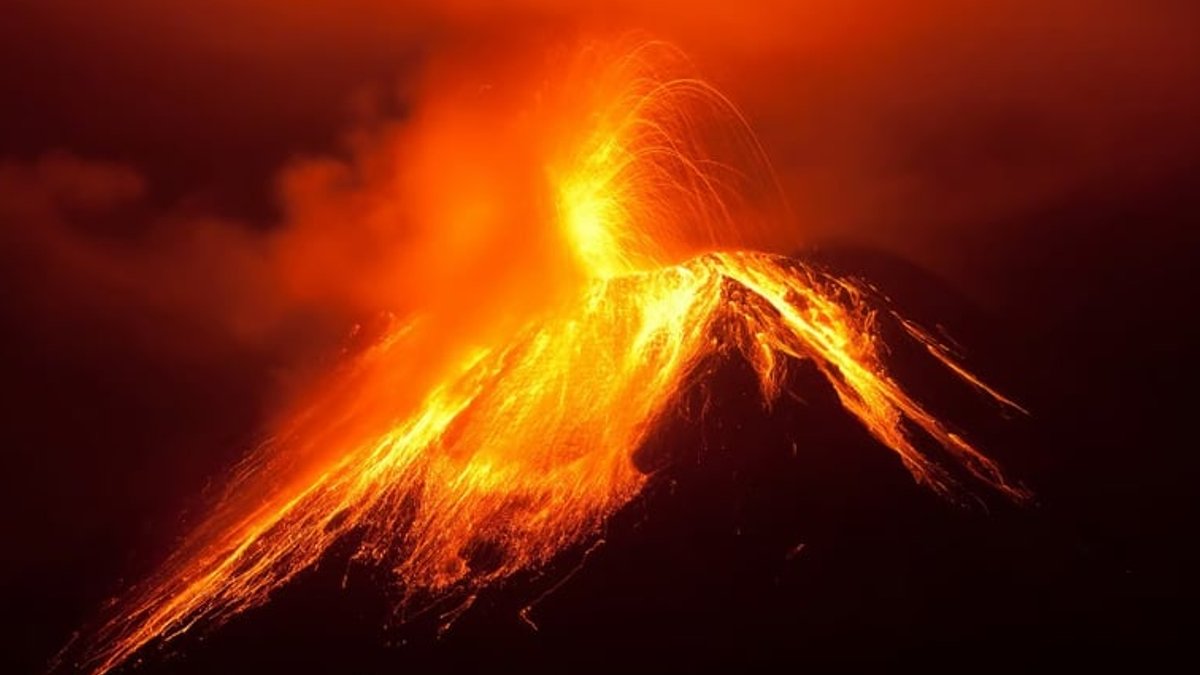
The eruption of Mount Anak Krakatau has affected 2,961 flights and stranded approximately 341,000 passengers as of Monday, September 7, according to Indonesian Transportation Minister Dudy Purwagandhi. For Australian travel insurance brokers, the key issue is when this eruption became a “known event,” and has each client’s insurer actually said so in writing.
The continuous eruption began on Friday, September 4, at 11:07pm local time and officially ended on Sunday, September 6, at 12:04am, according to an evaluation report from Lana Saria, head of the Geological Agency at Indonesia’s Ministry of Energy and Mineral Resources.
“Following the end of that episode, Mount Anak Krakatau’s volcanic activity transitioned back to Strombolian eruption characteristics,” Saria said. The volcano had been at Level III – the second highest on Indonesia’s four-tier warning scale – since July 2, when the Geological Agency raised the alert after a surge in seismic activity.
Understanding the Timeline
As of Monday, seven airports remained closed while authorities awaited aviation-safety clearance from the Darwin Volcanic Ash Advisory Centre (Darwin VAAC), the Australian Bureau of Meteorology (BoM)-operated body responsible for volcanic ash advisories across the region. “We are taking a conservative approach because wind conditions are very dynamic. We want to ensure that volcanic ash moves away from airports surrounding Mount Anak Krakatau,” Purwagandhi said.
Darwin VAAC has previously been used by Cover-More to determine when an event ends. In a December 2015 advisory on Mount Rinjani, Cover-More said the event was considered concluded after the BoM and Darwin VAAC ceased providing updates, and that any further eruptions would be treated as a new event with cover potentially available subject to policy terms.
Broker Guidance
Brokers should confirm the applicable position directly with the insurer rather than assume a particular disruption date determines coverage. The timing question is genuinely complicated, with Darwin VAAC issuing volcanic ash advisories for Krakatau from September 4, documenting ash at altitudes up to FL500, roughly 50,000 feet, and forecasting its movement.
CHOICE published guidance on September 7 stating that policyholders may be covered “if bought the policy before the volcano affected flights on”. It also explicitly cautions that “insurers’ definitions can vary so it’s best to check with your insurer on when they cut off cover for a specific event,” and advises that “if it’s a major disaster, insurers will often publish specific advice on their website.”
The Insurance Council of Australia (ICA) confirmed that coverage is not uniform across the market. “Travel insurance policies can provide cover for unexpected events such as volcanic eruptions and ash clouds, but cover varies between insurers and policies. Travellers should check their Product Disclosure Statement (PDS) to understand what their policy covers and any exclusions that may apply,” an ICA spokesperson told ABC News.
Impact on Australian Travel
Indonesia was the most popular overseas destination for Australians in 2025-26, accounting for approximately 14% of all Australian overseas trips. Australians took 12.7 million overseas trips that year, up 4%, according to the Australian Bureau of Statistics (ABS). Statistics Indonesia recorded 1,754,791 Australian tourist visits in 2025, with Indonesia’s Tourism Ministry targeting 2.23 million for 2026.
Both Qantas and Virgin Australia confirmed Bali routes were unaffected. The Jakarta corridor, however, is one of the highest-volume outbound travel insurance corridors in the Australian market.
As the situation continues to unfold, brokers must carefully consider the specific circumstances of each client’s policy and the insurer’s determination of when the event became known. By doing so, they can provide accurate guidance and support to their clients, helping them deal with the often-complex world of travel insurance claims.
Broker Checklist
When a client calls after a volcanic known event, brokers should follow these steps: confirm the policy purchase date against the public eruption record, check whether the client’s insurer has published a specific advisory, exhaust airline and accommodation refunds first, lodge the insurance claim promptly, and flag the secondary medical claim.
By following this checklist and carefully considering the complexities of each policy, brokers can help their clients successfully complete the claims process and ensure they receive the coverage they are entitled to. It’s essential for brokers to stay up-to-date with the latest developments and guidance from insurers to provide the best possible support to their clients.

Oil barrels now carry $8 war insurance


