


Indonesia faces higher asset seizure risks than haze
Indonesian palm oil and plantation companies now face two distinct risks—one political, one environmental—and only one has a ready-made insurance product to address it.
Since early 2025, a government task force has seized 5.88 million hectares of oil palm plantations, an area nearly twice the size of Belgium. President Prabowo Subianto estimated the value of confiscated assets at close to $22 billion, while Attorney General Sanitiar Burhanuddin flagged another $8.5 billion in potential fines last year. Companies that resist the seizures risk criminal charges, as prosecutors were instructed to act without hesitation.
Seizures spark legal challenges
Thirty-four companies have contested the seizures, arguing the government overstated the land area involved. The disputes complicate coverage for political risk, trade credit, or asset protection, as insurers assess whether the confiscations qualify as legitimate state actions or overreach. No standard policy clearly covers such seizures, leaving clients exposed to losses without clear recourse.
Related: Global 100 Ranks Top Insurance Professionals and Brokers
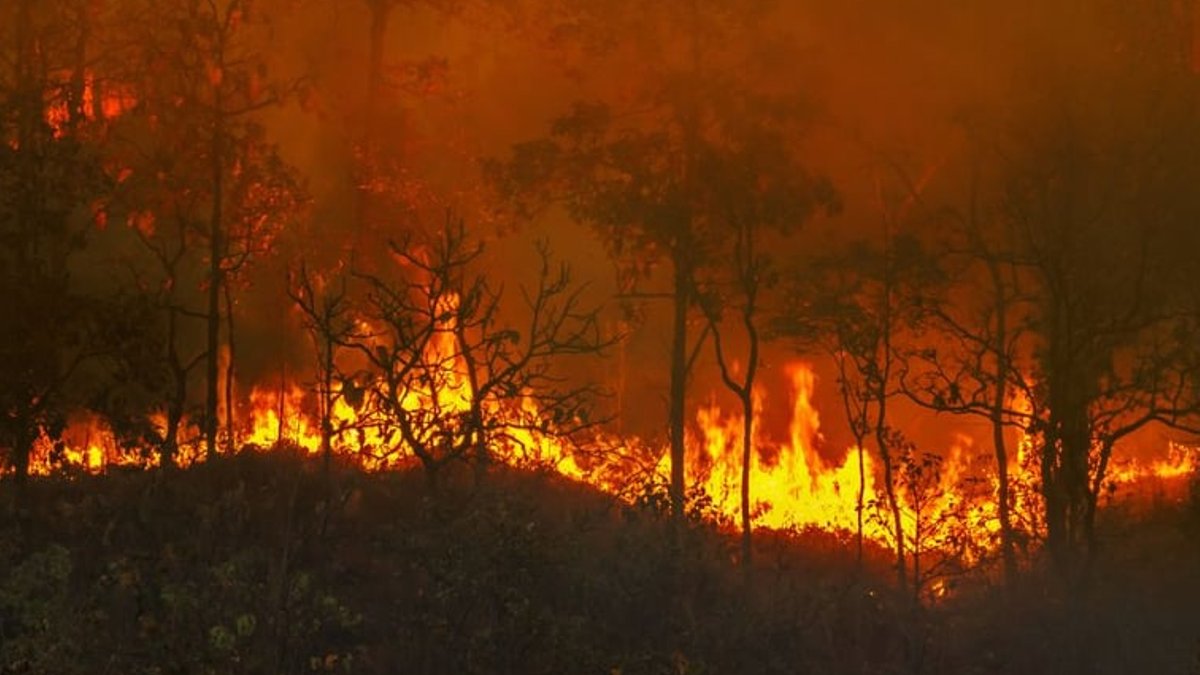
Indonesia’s fire and haze season has reached its worst pace in over a decade. Authorities arrested 72 people on Sunday in connection with 89 forest and land fire cases across Borneo and Sumatra. Investigators are examining financial records to determine whether companies funded or ordered the burnings, with penalties including fines and up to 15 years in prison.
Mohammad Irhamni, director of special crimes at the National Police’s Criminal Investigation Agency, said the probe would target not just those setting fires but also those who profited from them. The legal theory—indirect liability for financiers of environmental destruction—remains untested in Indonesian courts. Still, the threat could trigger coverage disputes if insurers argue the fires were intentional acts.
Haze spreads beyond borders
An intensified El Niño pattern and prolonged dry season have fueled the fires, with 3,500 hotspots recorded this month. That figure is more than four times July’s total and the highest August count since 2015. Dense smoke has crossed into Malaysia, according to Indonesia’s National Disaster Management Agency.
The fires have been particularly stubborn in peatland areas, where embers can smolder underground even after surface flames appear extinguished. Indonesia’s disaster management agency, BNPB, resumed cloud-seeding operations Sunday, deploying 30 helicopters over Kalimantan and 22 over Sumatra to induce rainfall and rewet the peat.
Related: Momentum AR acquires Swansea broker
For insurers, the haze risk isn’t new. While parametric coverage may exist for pollution-related disruptions, no equivalent exists for asset seizures. The difference forces plantation clients to handle two uninsured threats at once, with little clarity on how courts or policies will respond.
Some companies may find themselves caught between competing risks. Cooperating with seizures to avoid criminal charges could lead to claims that their compliance voids coverage. Others might resist, hoping legal challenges will succeed before prosecutors act. Either approach carries high stakes, and the tools to manage them remain uneven.
Prabowo visited Central Kalimantan on Saturday to highlight the government’s response. With 7,600 hectares burned in that province alone, the fires show no signs of stopping, and the seizures continue to alter the industry. Both risks appear set to persist.

Global 100 Ranks Top Insurance Professionals and Brokers


