


Bab el-Mandeb blockade lifts oil prices and freight
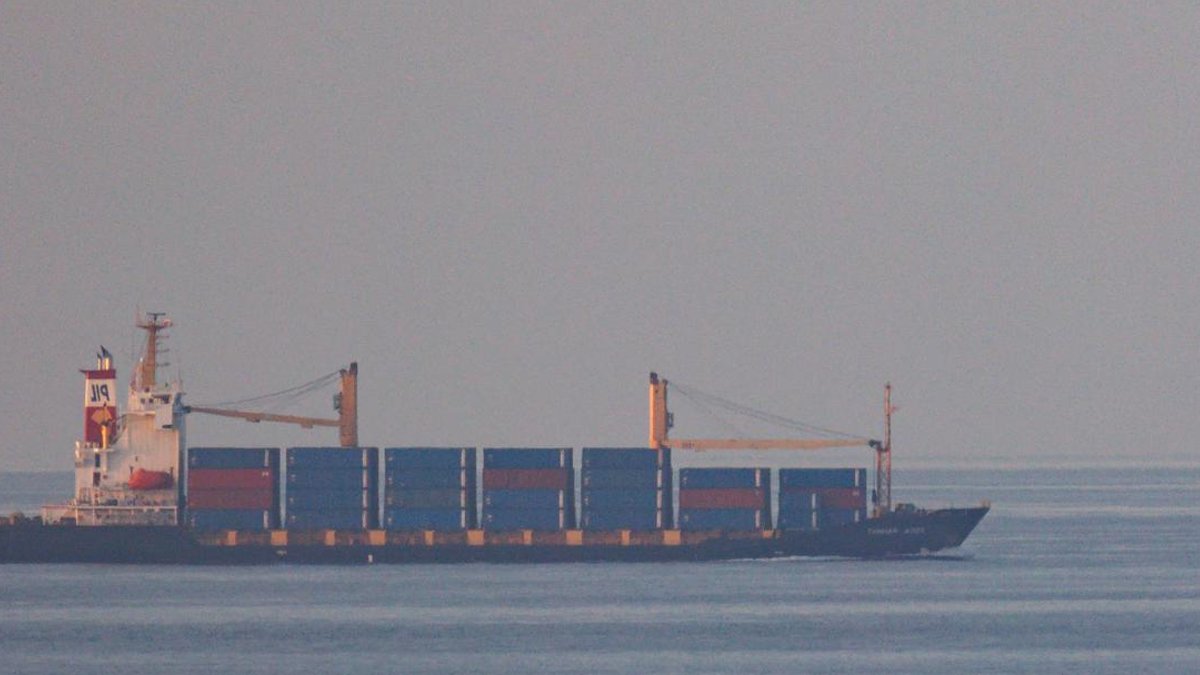
Strait Blockade Risks Spike in Global Oil Costs
Escalating tensions surrounding the Bab el-Mandeb Strait threaten to drive crude oil prices higher and disrupt refined product supplies for multiple Asian nations, according to recent market analysis released on July 22, 2026. With approximately 6 to 7 million barrels of oil transiting the Bab el-Mandeb daily, any disruption in this region would send immediate shockwaves through global energy markets.
Risks are mounting as Houthi groups have threatened to block Saudi Arabian crude shipments through the waterway. Such an action could choke off the flow of energy to major buyers, including Japan and South Korea. Refiners and trade sources note that if this blockade extends, it would likely exacerbate the strain on India’s already high energy import bill, a financial burden the country has struggled to mitigate in recent years.
Traders are watching prices closely following Wednesday evening reports. Brent crude was trading at $93.82 per barrel, while WTI hovered around $86.68 a barrel. These figures suggest that markets are already pricing in the possibility of a supply squeeze.
Related: RBI’s swap facility draws $20.72 billion in forex
Red Sea Becomes Critical Logistics Hub
The Bab el-Mandeb and the Strait of Hormuz represent the world’s two most critical energy chokepoints. If shipping lanes through both narrow passages thin out, market trends would force prices upward, a scenario analysts fear is becoming more likely.
Kpler data indicates that the Red Sea has effectively become a strategic chokepoint for Asian refiners, on par with the Strait of Hormuz. Nearly 6 to 7 million barrels per day currently transit the Bab el-Mandeb, moving predominantly from north to south. Around half of these volumes originate from Saudi crude loaded at Yanbu, a port on the Red Sea coast, while the remainder consists largely of Russian crude bound for refineries in India.
Saudi Arabia has attempted to mitigate risks by shifting its export strategy. Sumit Ritolia, Lead Research Analyst for Refining and Modeling at Kpler, pointed out that Saudi exports via Ras Tanura have fallen significantly. By June 2026, Yanbu exports reached 4.14 million barrels per day, effectively rerouting about 64 percent of the volumes previously sent through Ras Tanura.
Related: Styling Your Ring for Different Finger Sizes: A Guide to Finding the Perfect Fit
Geopolitical analysts at S&P Global warned that the Houthi threat could escalate into wider confrontation within the broader US-Iran conflict. A blockade would not only impact commercial shipping but could also threaten navigation to key Saudi Red Sea ports, including Yanbu, Jeddah and Jizan.
Diesel cracks, a key metric for refiners, would likely climb as well, signaling tighter margins for downstream operations.

RBI's swap facility draws $20.72 billion in forex


