


M6.8 quake hits Kumamoto limited damage reported
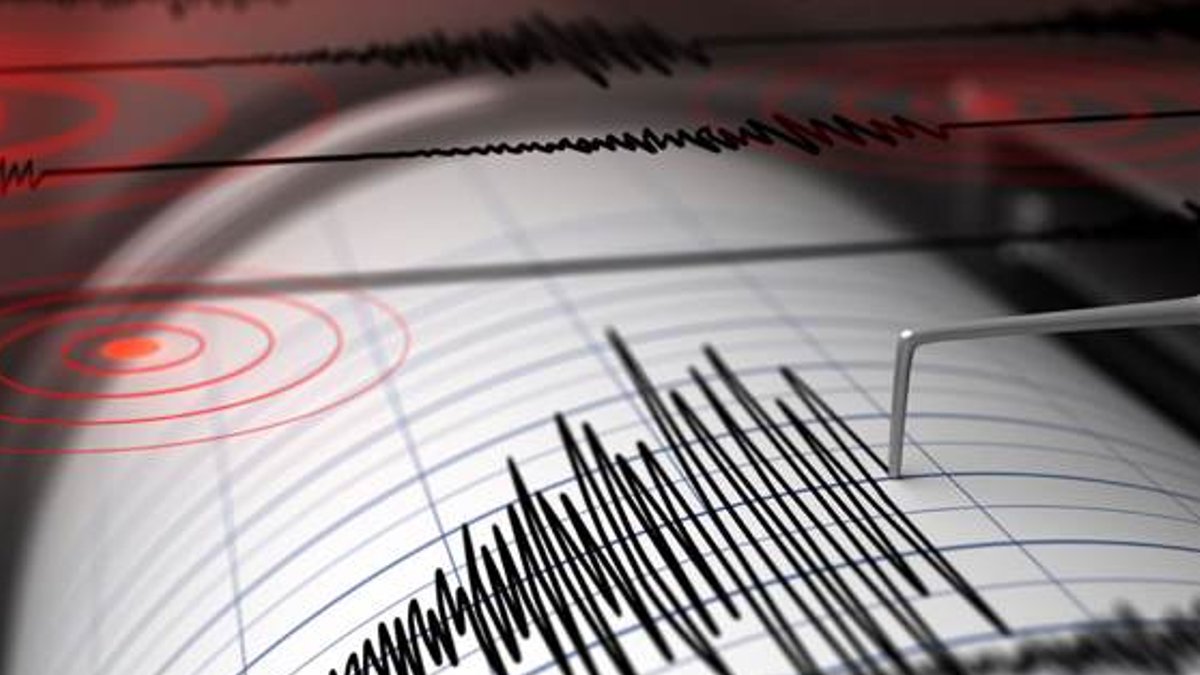
Japan was hit by an M6.8 earthquake in Kumamoto prefecture on Kyushu’s southern coast, the United States Geological Survey said after revising the initial estimate of a magnitude 7.1.
Shaking reaches highest level on Japanese scale
The Japan Meteorological Agency reported the quake’s epicenter lay just south of Kumamoto city at a depth of roughly 10 km, a shallow position that can intensify surface shaking. The agency’s Shindo scale, which measures local intensity, recorded level 7 in several locations – the scale’s maximum rating.
Urban centers such as Yatsushiro and Uto, along with the towns of Mashiki, Misato and Kumamoto’s Minami Ward, experienced Shindo 6 tremors. Additional areas across Kumamoto, Nagasaki, Kagoshima, Fukuoka, Saga and Miyazaki prefectures felt shaking at level 5.
Authorities issued a tsunami advisory for the Ariake and Yatsushiro coasts, yet no significant wave impacts have been confirmed.
Kyushu Electric reported about 48,000 households lost power following the event.
Related: Cat bond funds hit record $21bn
Economic exposure and early damage reports
Major manufacturers, including Sony and Taiwan Semiconductor Manufacturing Co., have facilities near the affected zone, but initial statements indicate no confirmed damage to those plants.
Insurance analysts note that a 2016 quake near the same region, with a magnitude of 7.0, generated up to US $4 billion in losses. Today’s event, however, has so far yielded limited damage reports, and the extent of any claims remains unclear.
Japan remains a focal point for catastrophe‑linked finance. Approximately US $1.55 billion in catastrophe bonds are dedicated solely to Japanese earthquake risk, while additional multi‑peril structures carry smaller exposures. Most of that bond coverage targets higher‑intensity shaking than the current event, but the indemnity‑triggered nature of many policies means insurers will monitor aftershocks closely.
Residential property damage typically drives the bulk of Japanese cat‑bond payouts, with commercial losses playing a secondary role. Parametric insurance products also exist in the region, though their triggers often align with stronger quakes than today’s magnitude.
Given the shallow depth and high Shindo readings, there is a plausible risk that structural damage could emerge as aftershocks continue. The recent M5.6 and M4.9 tremors suggest the fault line remains active, and any additional shaking could exacerbate existing weaknesses in older buildings.

Cat bond funds hit record $21bn


